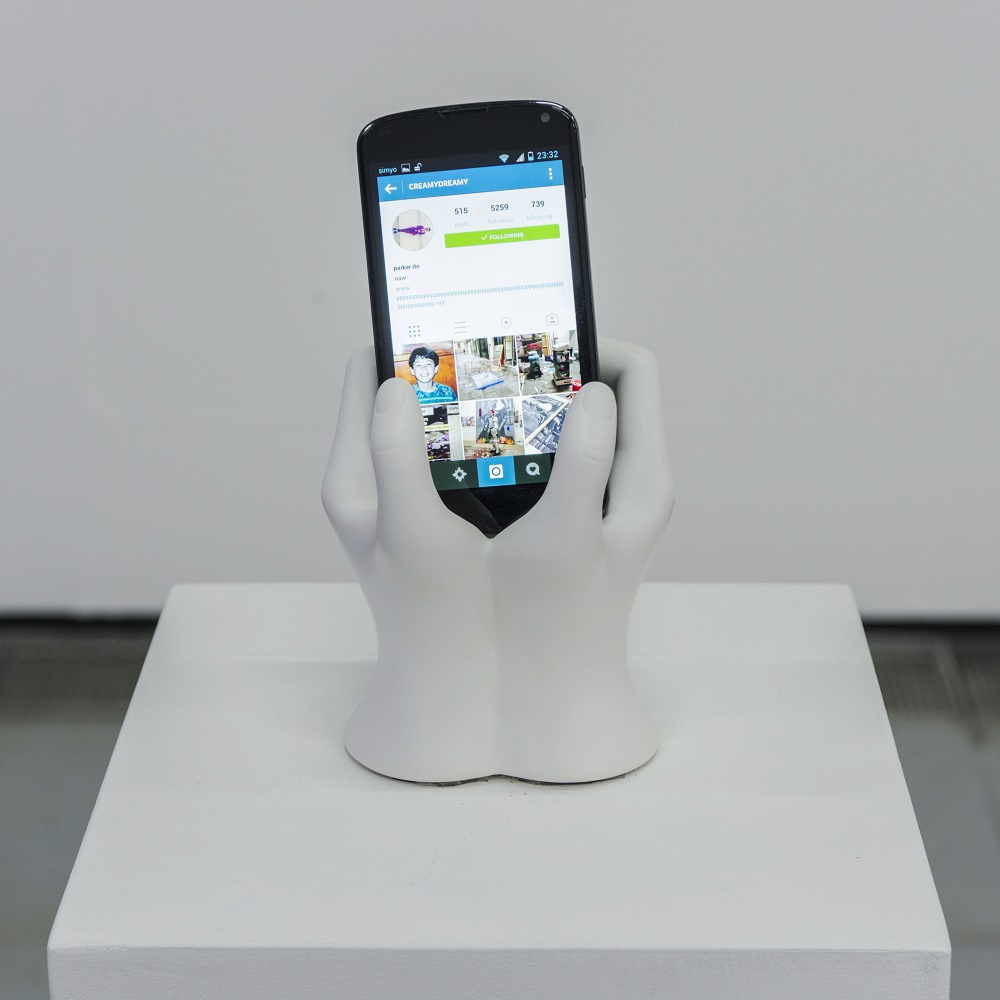
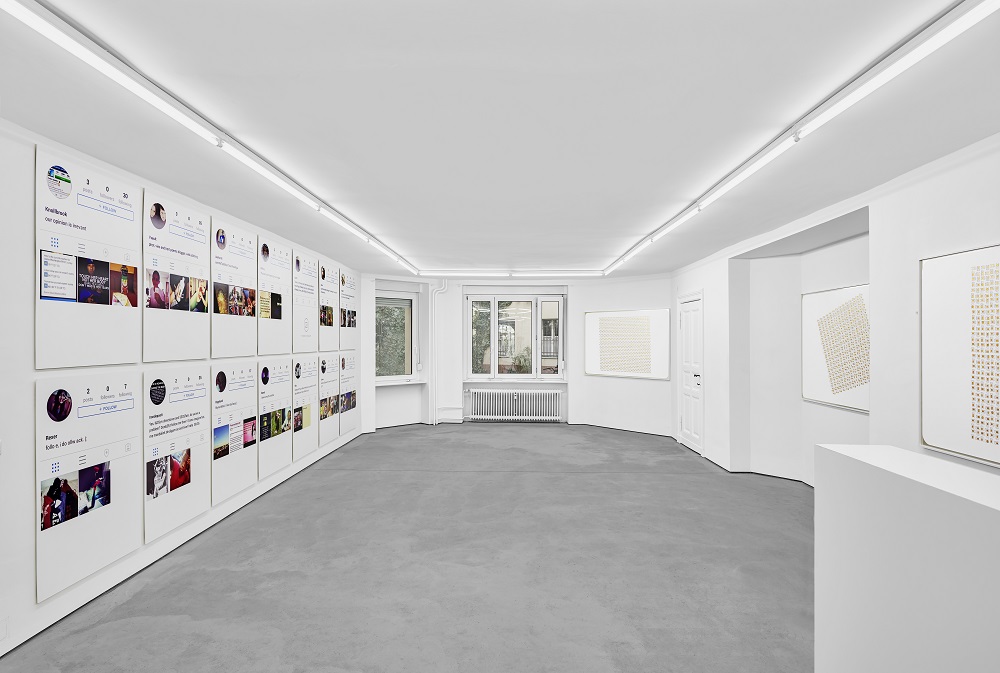
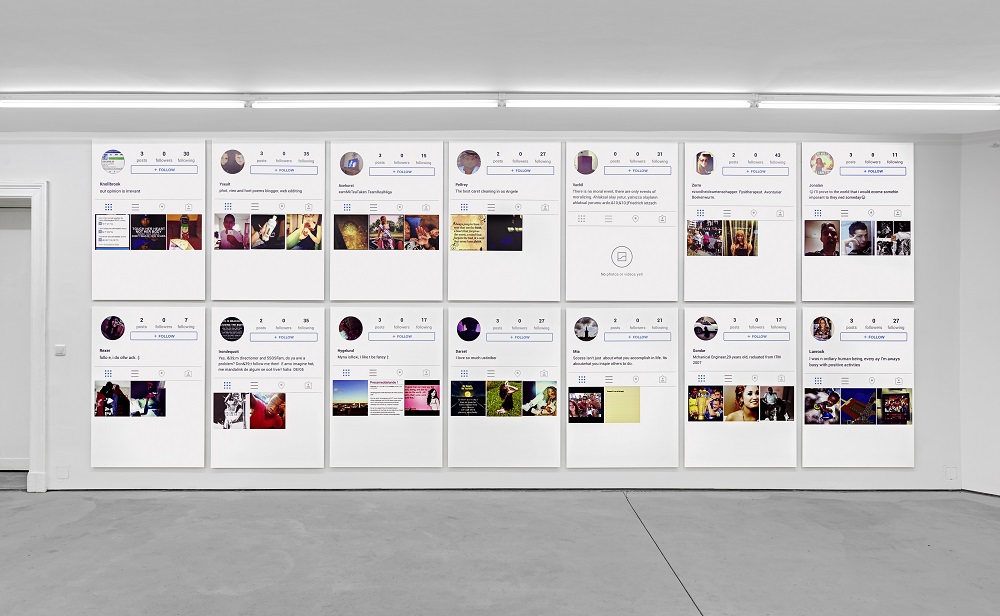

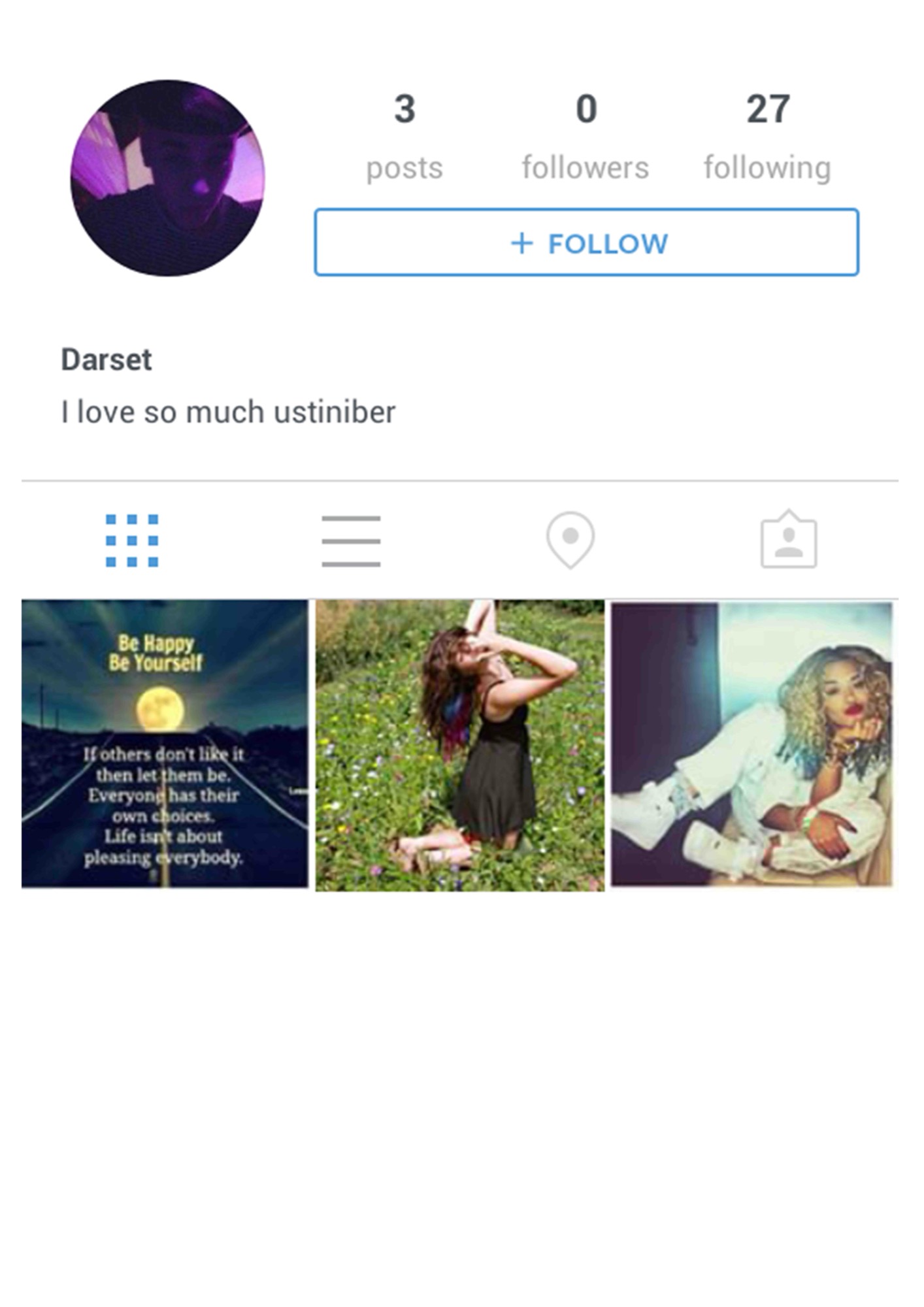

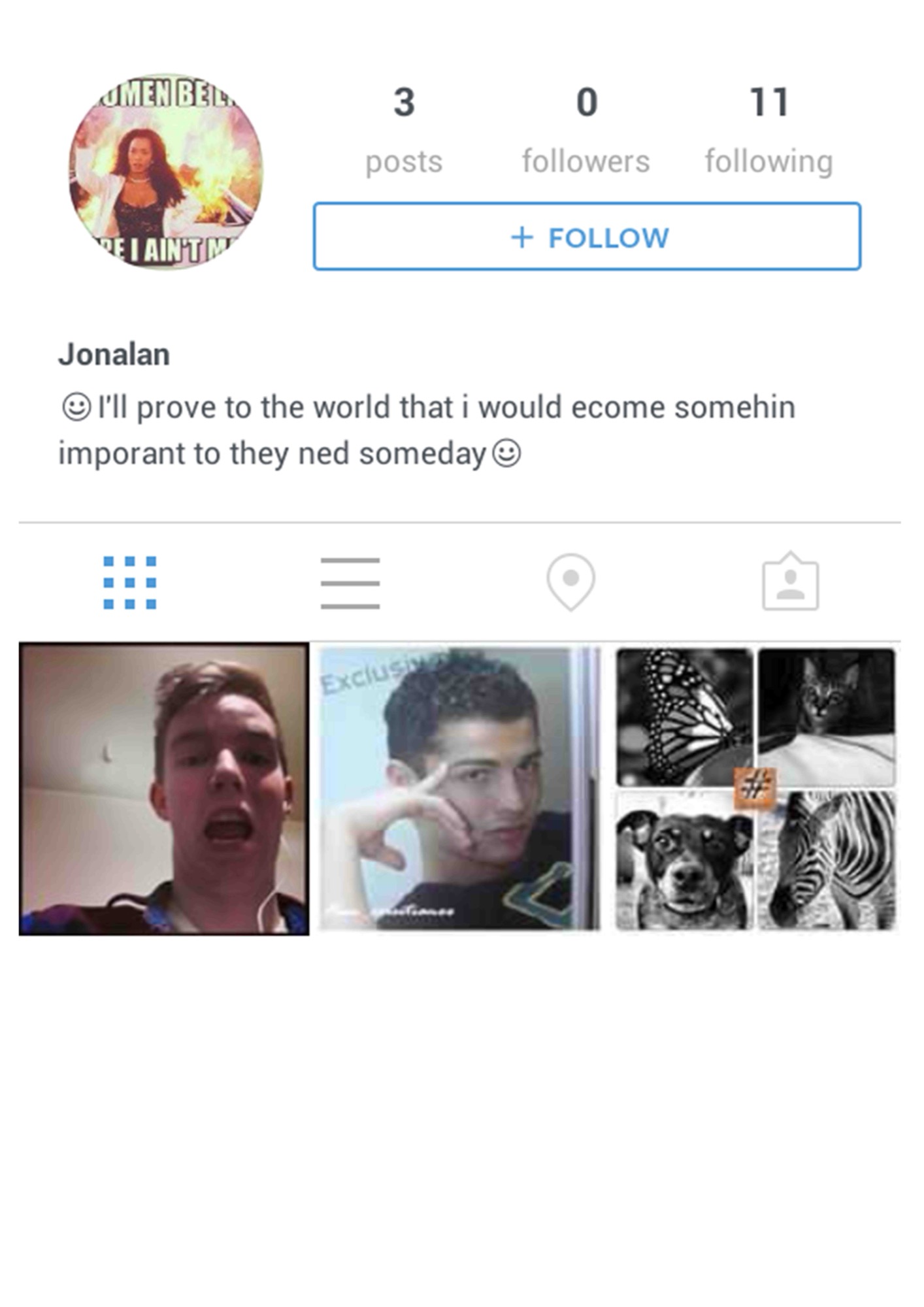
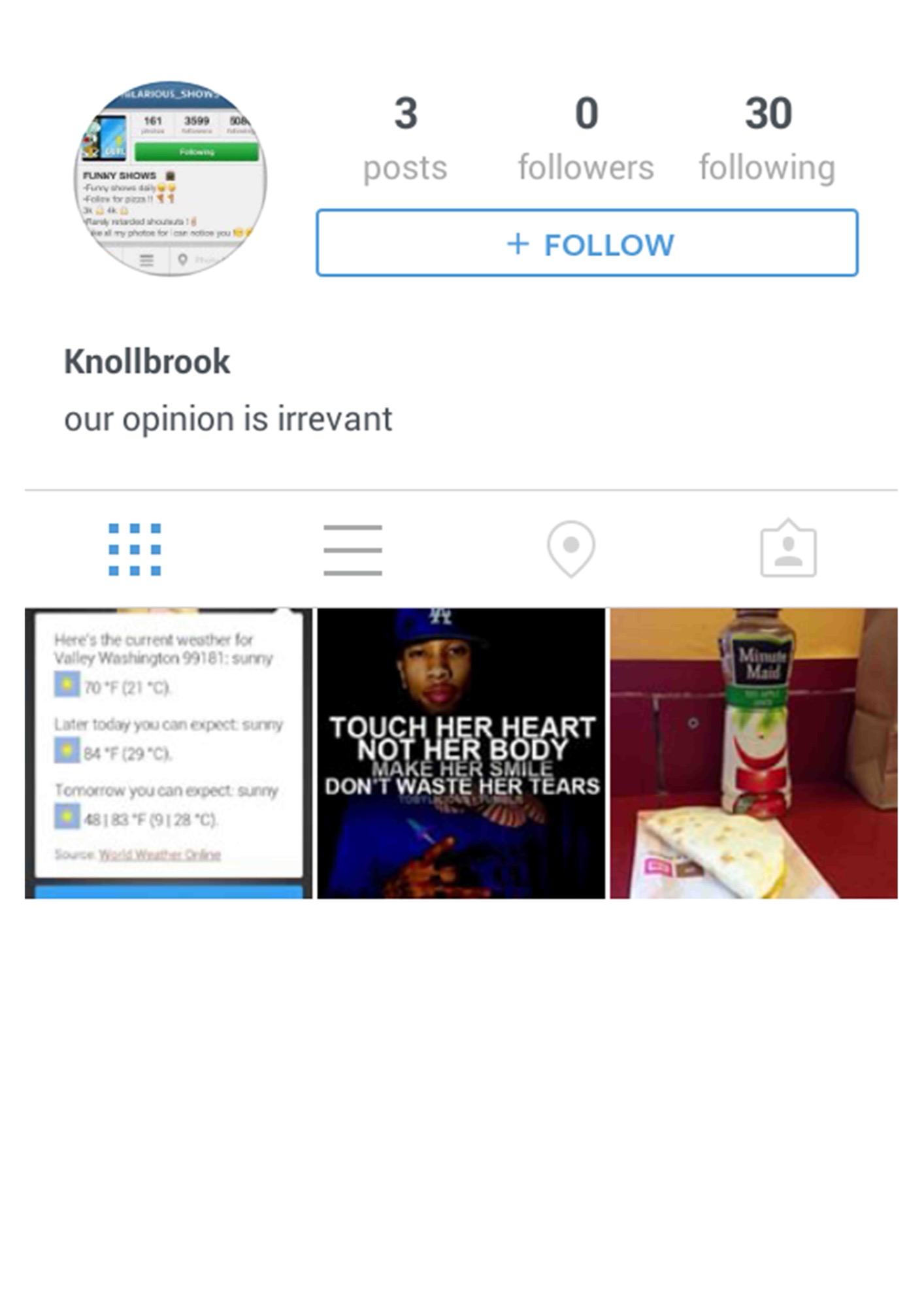
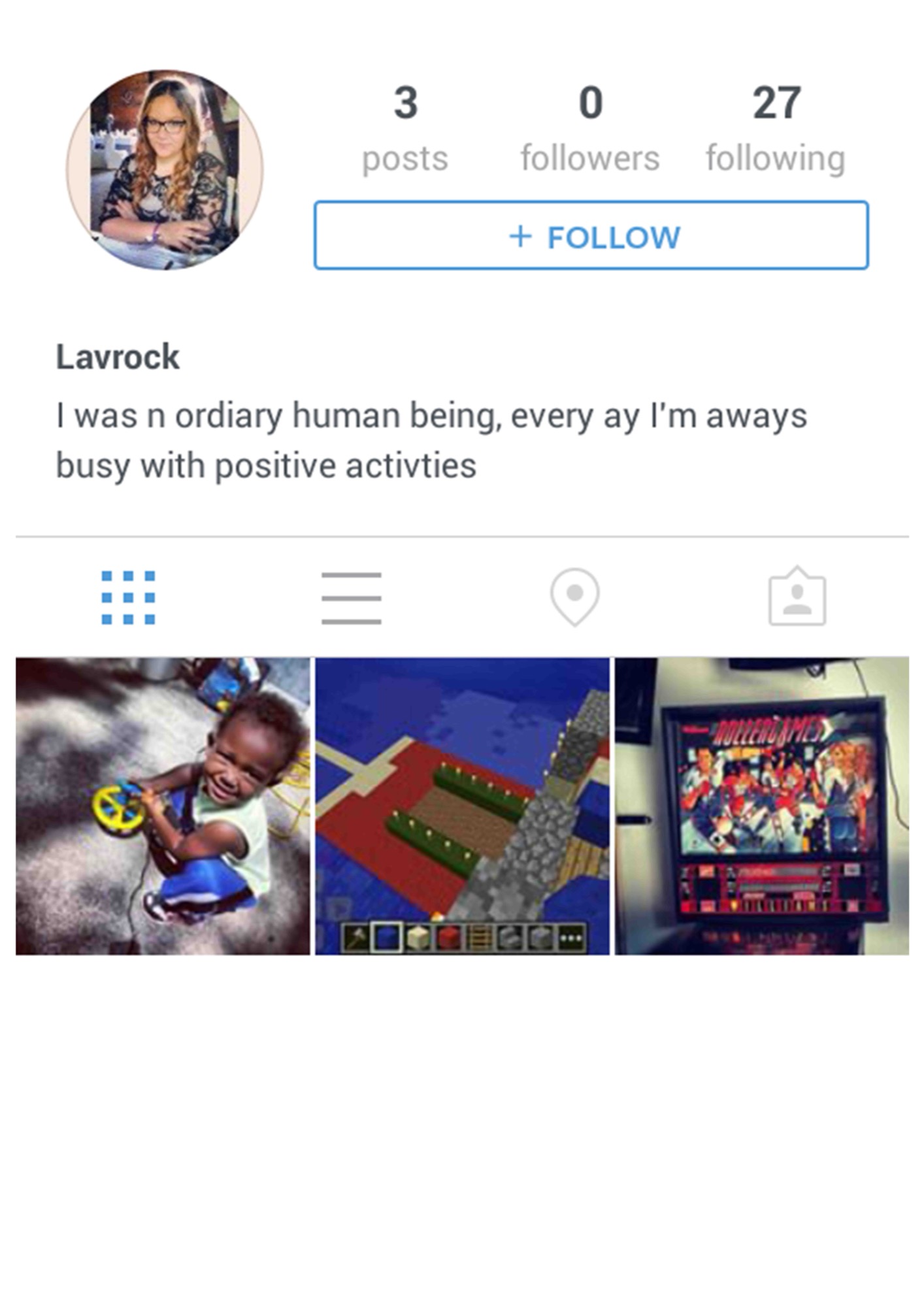
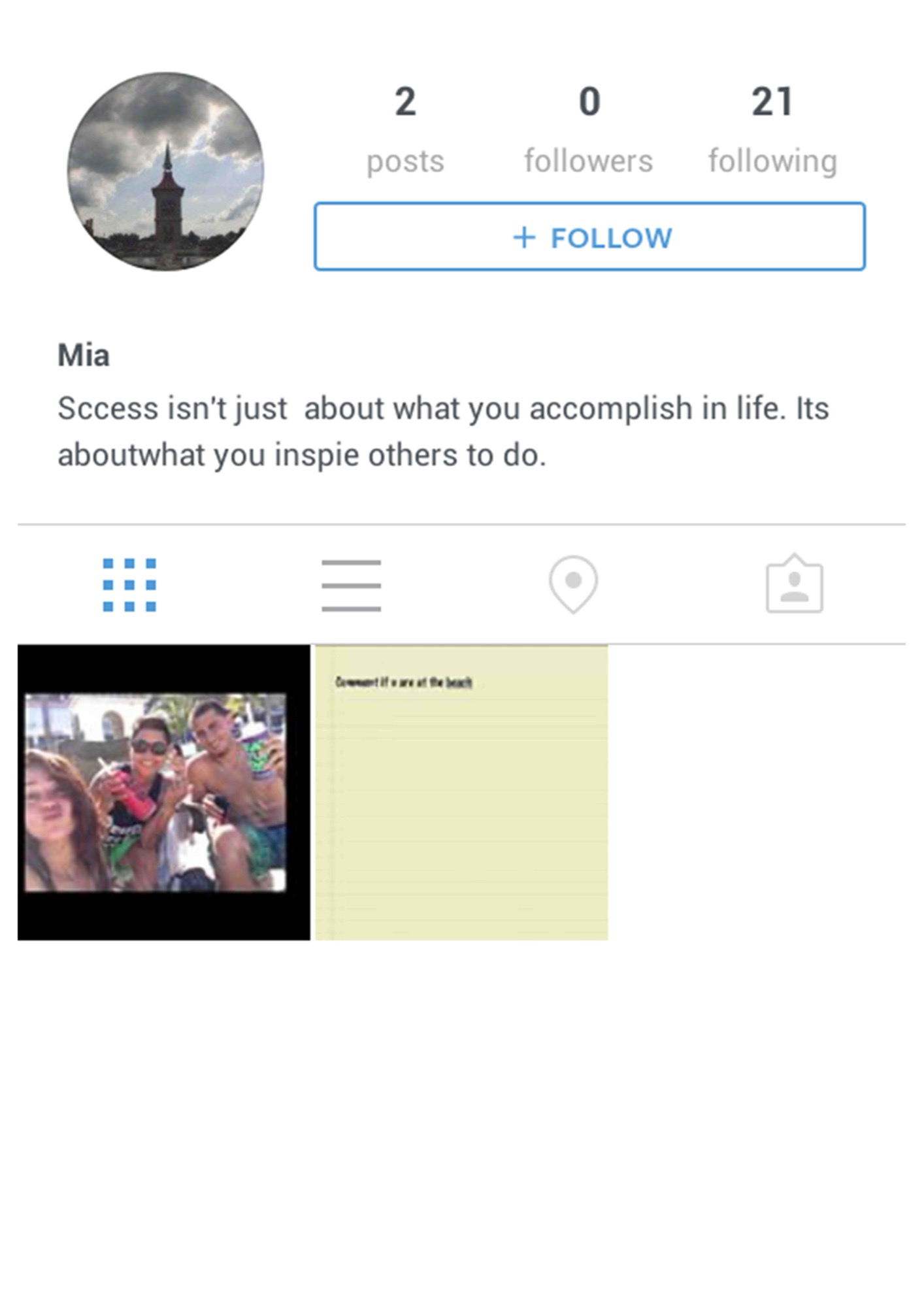
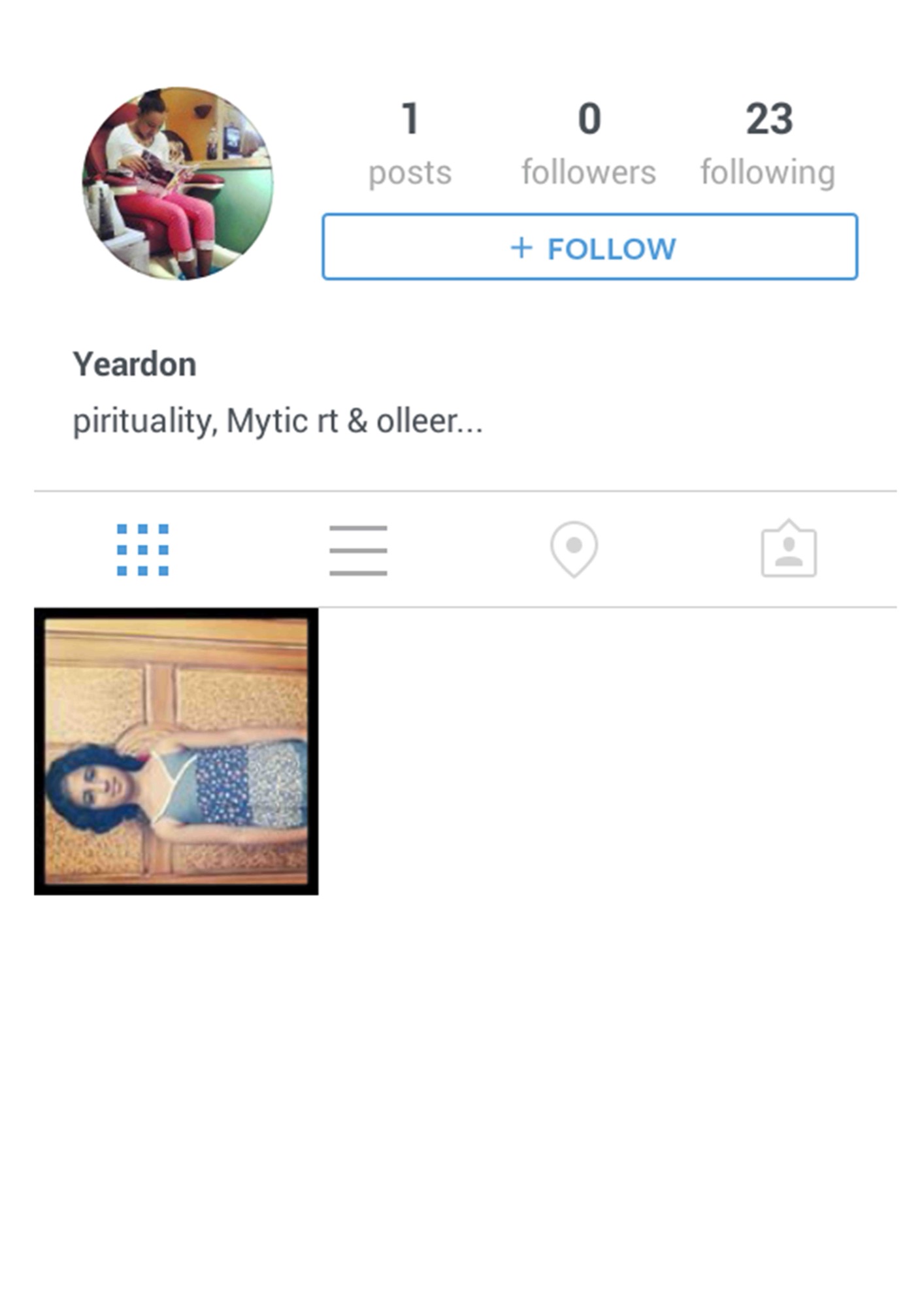
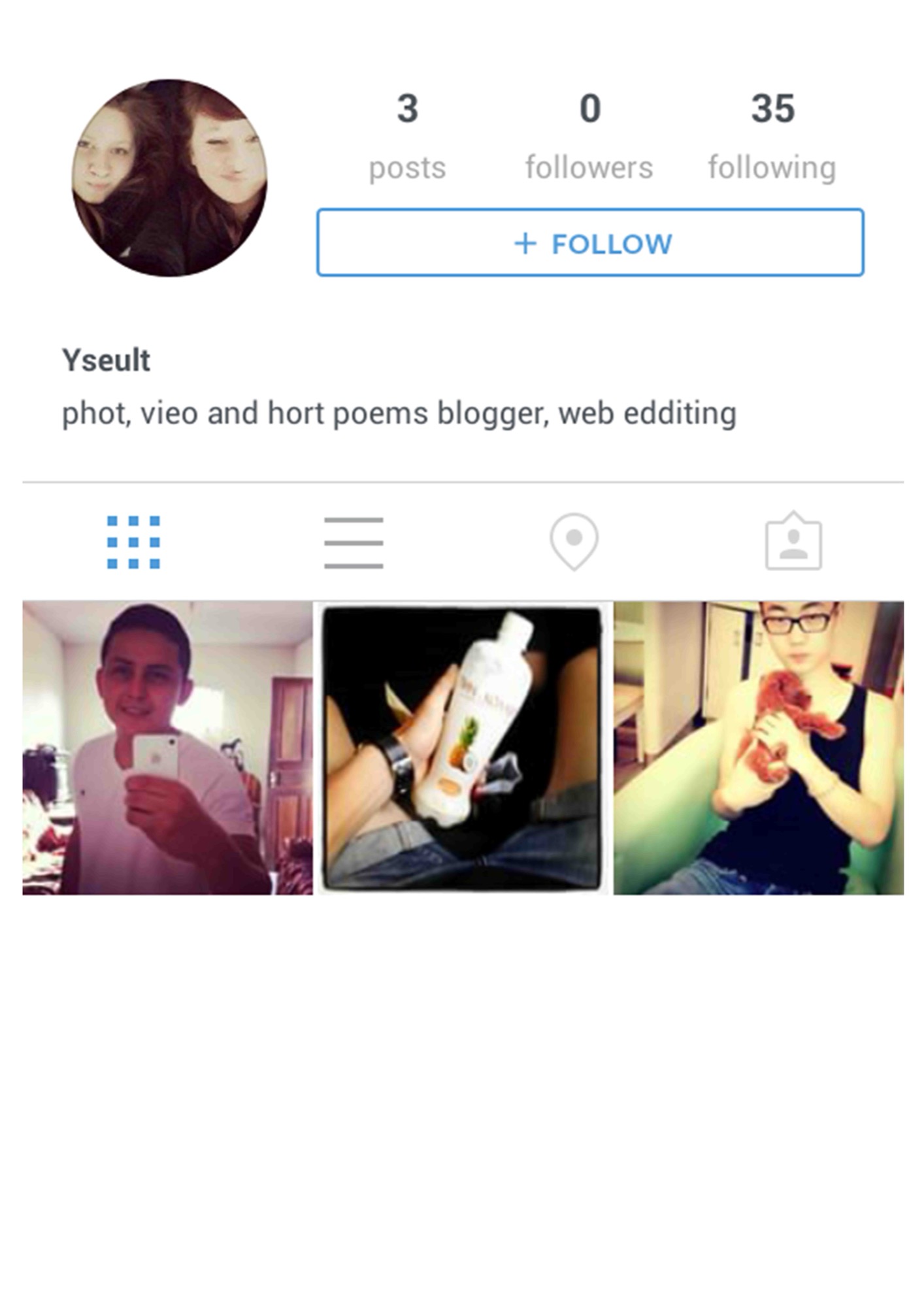
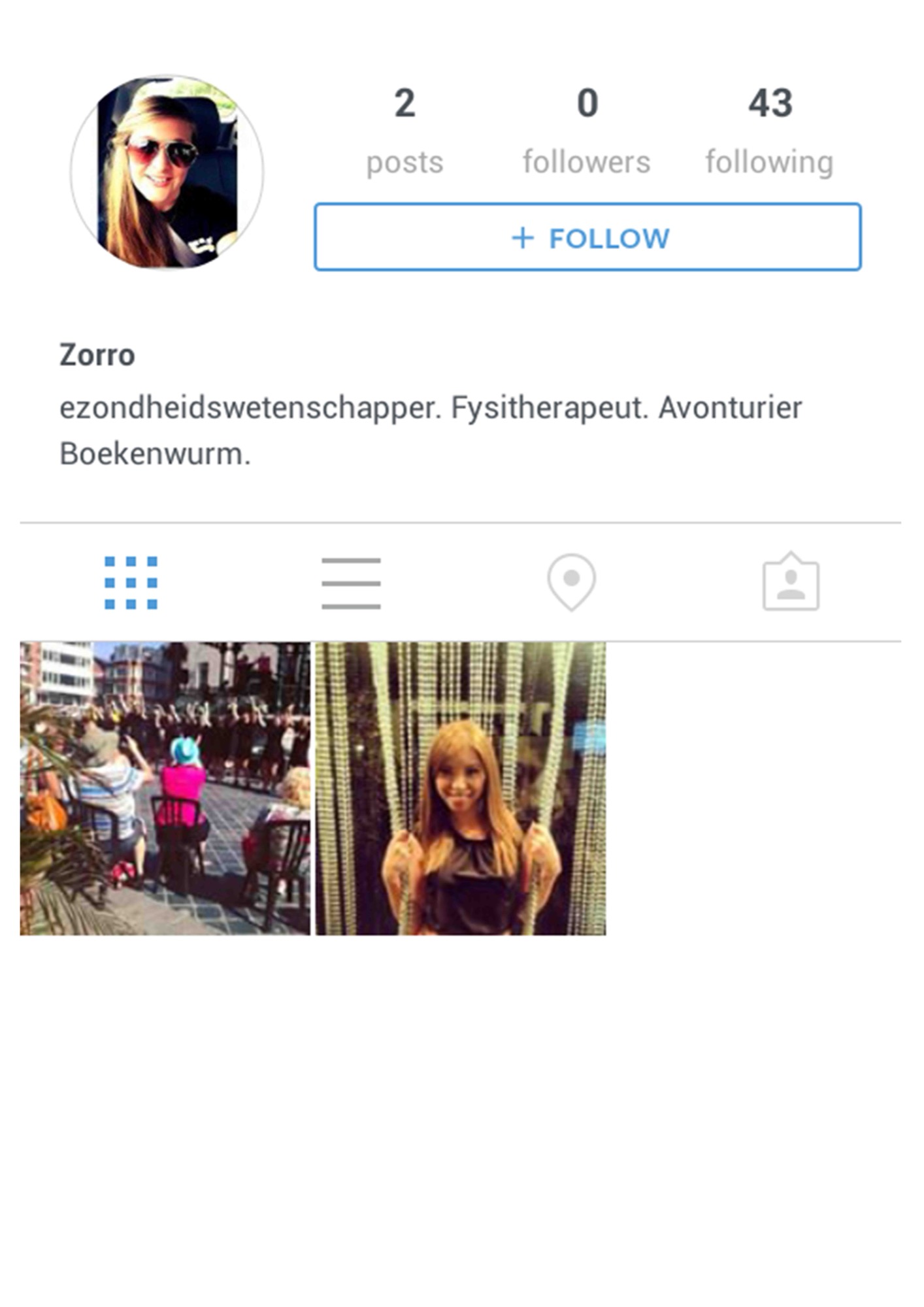
“With High Retention, Slow Delivery a social media hack has been created that has the goal of literally, quote, „spreading attention economy socialism“. How does this work? Large quantities of artificial Instagram (and at a later point in time also Twitter) Followers are bought, which are then assigned and spread exactly evenly to various people on these platforms. For this project the Instagram and Twitter platforms are used, as here one does not have to explicitly “accept” Followers, unlike on Facebook and LinkedIn for example. One could potentially add an unlimited numbers of Followers to any Instagram and Twitter account. ‘Spreading attention economy socialism’ means literally that the amount of Followers of a certain number of people will be set to the same number, thus making it impossible to see who is more popular than the other. Numbers thus become useless because everybody is the same.” - from article published in tandem with exhibition at Jeu de Paume, written by Inke Arns
“For the 2014 artwork High Retention, Slow Delivery, a kind of web-based level playing field was created by purchasing 2.5 million fake Instagram followers and distributing them evenly across what were seen as key art figurehead’s Instagram accounts so that each one was followed by exactly 100 000 accounts, both fake and real. The bogus followers were bought on eBay and the Instagram accounts that benefited included those of über-curator Hans Ulrich Obrist and artist Jeff Koons. The definition of social capital (the network of relationships that hold a society together) in the twenty-first century has shifted to include the validation provided by approbation on social networks like Instagram, something the artist is keen to highlight. The fact that one can feel to be hoarding quantified social capital is closing minds, he says. Through targeted advertising, invasive behavioural tracking and loss of privacy, identity has become a precious commodity. As a result, much of society is getting defensive and more conservative in fear of change.” - Simon Coates, interview in CLOT Magazine
“Audience is a commodity. A commodity to sell to advertisers, to sell to ambitious artists that want their work to be seen. A target group of people to captivate, thrill and buzz whatever to. Mediated and visually captivating brand retention to ensure burgeoning cultural significance with a dash of sex and rebellion. Audience is what we want, the reason people once fantasized being on television game shows, the imaginary crowd that lets you finish your sentences.” - excerpt from article in DIS Magazine
“Next month, the Photographers’ Gallery in London hosts an exhibition titled, All I Know Is What’s on the Internet. It will feature the “contemporary artists seeking to map, visualise and question the cultural dynamics of 21st-century photography” in a social media age. To this end, it will ‘interrogate’ not just the role and agency of the photographer in this new context but ‘photography’s cultural value… at a time when the boundaries between truth and fiction, machine and human are being increasingly called into question’. It will include work by an intriguingly named artist, whose 2014 project, High Retention, Slow Delivery, targeted what he called ‘the contemporary attention economy’ of Instagram, Facebook and Twitter, the ‘sharing mechanisms’ of which, likes, retweets, followers, friends, stimulate ‘an appreciation system based on popularity over quality and social skills over talent’. The artist’s work centres on what he calls ‘the capitalisation of community’. In all of this, Wiley’s anxiety about the creation of a new photograph ‘that can stake a claim to originality or affect’ remains resonant. But it also sparks an attendant question, which is not so much what social media is doing to photography but what an image-propelled social media culture is doing to us? Where is our agency in a world so dominated and driven by digital technology so controlled by global corporations and invisible algorithms?” - Sean O'Hagan, article in The Guardian